
Reflexology is known for being a gentle, relaxing treatment that many women use to support stress management, sleep, hormonal balance and overall wellbeing. But like any professional complementary therapy, there are times when reflexology may not be suitable, or when treatment may need to be adapted.
Knowing when not to treat someone is an important part of safe reflexology practice.
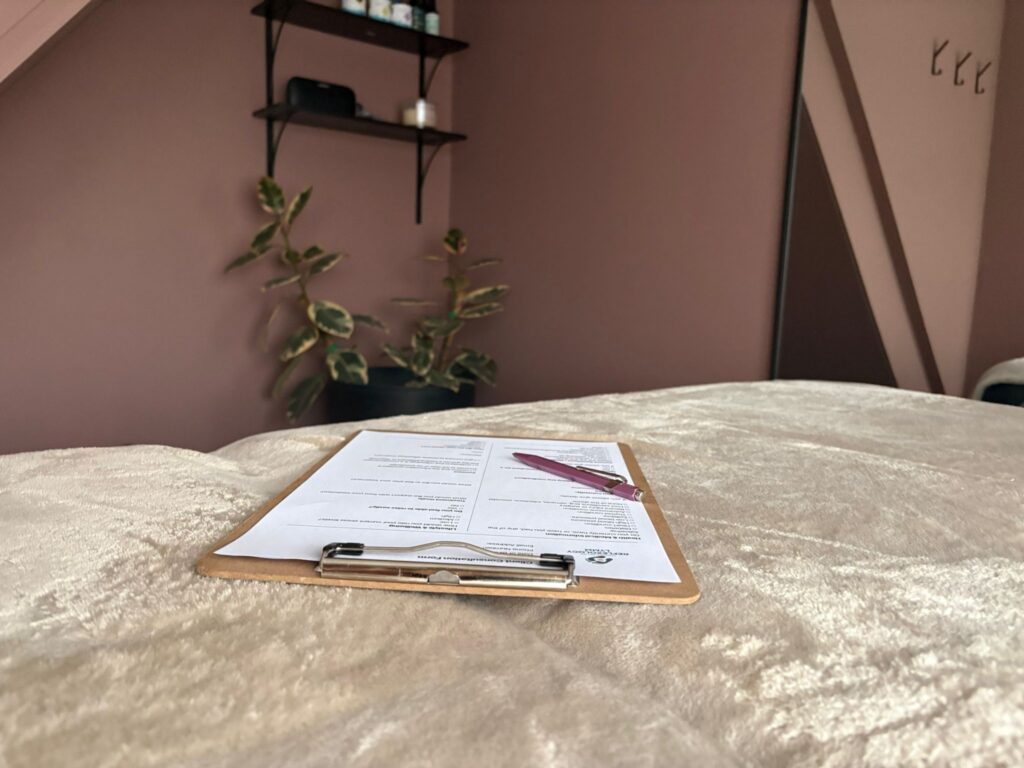
As a qualified reflexologist, and a member of the Association of Reflexologists, client safety always comes first. A professional reflexology treatment should never be a “one size fits all” experience, and a good practitioner will always carry out a consultation before treatment begins.
If you’ve ever wondered whether reflexology is safe for everyone, here’s what you should know.
Is Reflexology Safe?
In general, reflexology is considered a low-risk complementary therapy for most people.
Many clients find treatments deeply calming and restorative, particularly during periods of stress, overwhelm, hormonal change or poor sleep.
However, there are certain situations where reflexology may need to be postponed, adapted or avoided altogether.
These are known as contraindications.
Some contraindications are absolute, meaning treatment should not go ahead at all. Others are temporary or partial, meaning treatment may still be possible with adjustments or medical guidance.
When Reflexology May Not Be Recommended
Fever, Contagious Illness or Infection
If you currently have a fever, sickness bug, flu, Covid, or another contagious illness, reflexology should usually be postponed until you’re fully recovered.
This protects both the client and practitioner, but it’s also because the body is already working hard to fight infection.
Deep Vein Thrombosis (DVT) or Blood Clots
Reflexology is generally avoided if there is any known or suspected DVT or active blood clotting condition.
This is one of the most important contraindications in reflexology practice and should always be taken seriously.
If you are under medical investigation for clotting concerns, treatment should be postponed unless cleared by your healthcare professional.
Recent Surgery
Immediately after surgery, reflexology is usually postponed while the body is in the early stages of recovery.
Timing can be important following medical procedures, and in some situations medical approval may be advised before treatment takes place.
Once recovery is further along, reflexology may still be appropriate and treatments can often be adapted to suit individual comfort and circumstances.
Severe Foot Conditions
Because reflexology involves working directly on the feet, certain foot conditions may make treatment unsuitable temporarily.
This may include:
- Open wounds
- Contagious fungal infections
- Severe athlete’s foot
- Uncovered verrucas
- Burns or skin infections
- Significant swelling or inflammation
In some cases, treatment can simply be rescheduled until the feet are more comfortable and healed.
Certain Heart Conditions
Some serious cardiovascular conditions may require medical guidance before treatment.
If you have a pacemaker, uncontrolled high blood pressure, serious heart disease or are under active cardiac care, it’s important to disclose this during consultation so treatment can be adapted appropriately.
High-Risk Pregnancy
Reflexology can often be a lovely supportive treatment during pregnancy when provided by a practitioner trained in maternity reflexology.
However, treatment may not be recommended in certain high-risk pregnancies or during periods of medical concern.
This is why a full consultation is always important before treatment begins.
When You Simply Don’t Feel Well Enough
Sometimes the kindest option is simply to postpone treatment until you’re feeling more stable and comfortable.
If you feel extremely run down, dizzy or unwell, it may be better to rebook your appointment for another time.
A good reflexologist will always support this decision.
Why Professional Consultation Matters
One of the biggest misconceptions about reflexology is that it’s “just a foot massage.”
In reality, professional reflexologists are trained to assess health history, recognise contraindications and adapt treatments safely for individual clients.
That consultation process matters.
It’s also why professional reflexologists avoid making unrealistic medical claims. Reflexology is designed to support wellbeing and relaxation, not diagnose, treat or cure medical conditions.
Reflexology Should Feel Safe, Calm and Supportive
A professional treatment should never make you feel pressured, uncomfortable or worried about sharing your health history.
Before your appointment, you should always be asked about:
- Current health conditions
- Medication
- Pregnancy
- Recent surgery or medical procedures
- Allergies or infections
- Medical treatment you are receiving
This allows treatments to be tailored safely and appropriately for you.
Final Thoughts
Reflexology can be a beautiful way to slow down, reconnect with yourself and support your wellbeing, but safe practice always comes first.
Knowing when treatment should be adapted or postponed is part of being a responsible, professional reflexologist.
If you’re ever unsure whether reflexology is suitable for you, the best thing to do is ask. A qualified reflexologist will always be happy to guide you honestly and safely.
You can learn more about professional reflexology standards through the Association of Reflexologists.
Reflexology Lymm | Treatments by Dawn 👣
Supporting women through the pressures of everyday life with reflexology focused on stress, sleep & hormonal balance.
Reflexology at your own home across Lymm & Cheshire,
or from my treatment room in Thelwall.